
Hearing plays an essential role in communication, safety, and overall quality of life. However, exposure to loud noise is one of the most common causes of hearing problems worldwide. Many people frequently ask an important question: Can loud sound damage be reversed?
From attending concerts and using headphones at high volume to working in noisy environments, modern lifestyles expose people to dangerous sound levels more often than ever before. While some hearing problems caused by loud noise may improve over time, others can lead to permanent damage.
Understanding whether loud sound damage can be reversed, how it happens, and how to protect your hearing can help prevent long-term complications. In this guide, we will explore the causes of noise-related hearing damage, symptoms to watch for, treatment options, and prevention strategies.
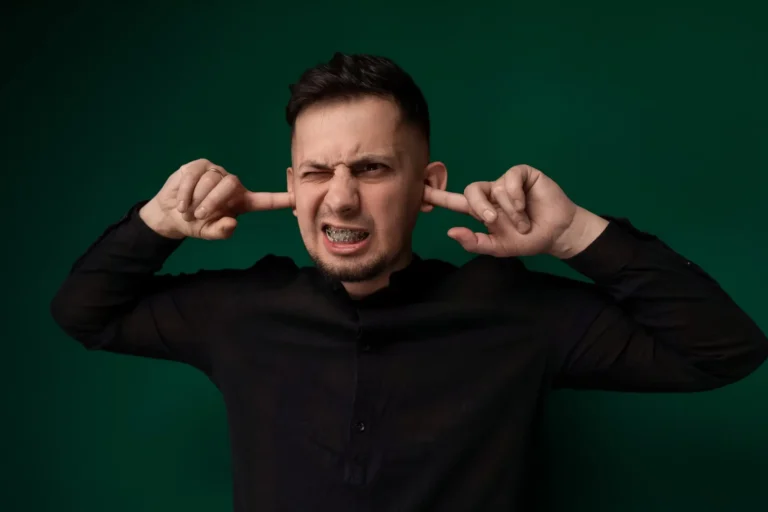
To understand can loud sound damage be reversed, it is important to know how hearing works.
Inside the inner ear is a delicate structure called the cochlea, which contains tiny sensory cells known as hair cells. These cells convert sound vibrations into electrical signals that the brain interprets as sound.
When exposed to loud noise:
• The sound waves create strong vibrations inside the ear
• Hair cells in the cochlea may become damaged
• Repeated exposure can destroy these cells permanently
Unlike many other cells in the body, hair cells in the inner ear do not regenerate easily, which is why severe hearing damage may be permanent.
The answer to can loud sound damage be reversed depends on the severity and duration of the noise exposure.
In some cases, hearing loss after loud noise exposure is temporary. This is called Temporary Threshold Shift (TTS).
Common features include:
• Muffled hearing after loud events
• Ringing in the ears (tinnitus)
• Difficulty hearing soft sounds
Temporary hearing loss may improve within a few hours or days, once the ear recovers from the noise exposure.
Unfortunately, in many cases loud sound damage cannot be reversed. This happens when noise exposure permanently destroys the hair cells in the cochlea.
This condition is known as Noise-Induced Hearing Loss (NIHL).
Permanent damage may occur after:
• Long-term exposure to loud noise
• Repeated listening to loud music
• Sudden exposure to extremely loud sounds
Once hair cells are destroyed, they typically do not regenerate, making the hearing loss permanent.
Many everyday activities expose people to dangerous noise levels without them realizing it. Understanding these risks helps answer the question can loud sound damage be reversed by encouraging prevention.
• Loud concerts and music festivals
• Headphones played at high volume
• Industrial machinery
• Construction equipment
• Fireworks
• Gunshots
• Traffic noise
• Nightclubs and loud bars
The risk increases when exposure is frequent or prolonged.
The louder the sound and the longer the exposure, the greater the risk of hearing damage.
Sound Source | Average Noise Level | Risk Level |
Normal conversation | 60 dB | Safe |
Busy traffic | 85 dB | Potential risk with long exposure |
Motorcycle engine | 95 dB | Risk after prolonged exposure |
Concerts or clubs | 100–110 dB | High risk |
Fireworks or gunshots | 140 dB | Immediate damage possible |
Experts recommend limiting exposure to sounds above 85 decibels to protect hearing health.
People often ask can loud sound damage be reversed after noticing early symptoms of hearing problems.
Common symptoms include:
• Ringing or buzzing in the ears (tinnitus)
• Muffled hearing
• Difficulty understanding speech
• Needing to increase volume on devices
• Sensitivity to loud sounds
• Feeling of pressure in the ears
These symptoms may appear immediately after loud noise exposure or develop gradually over time.
If someone experiences symptoms after loud noise exposure, doctors may perform several tests to determine whether loud sound damage can be reversed.
An audiometry test measures hearing ability across different frequencies and volumes.
Doctors check the ear canal and eardrum for:
• Blockages
• Infection
• Structural problems
In some cases, further testing may be recommended to rule out other conditions affecting hearing.
Early diagnosis improves the chances of managing hearing damage effectively.
Although permanent hearing loss cannot always be reversed, several treatments can help manage symptoms and improve quality of life.
If hearing loss is temporary, avoiding loud noise for several days may allow the ears to recover.
In certain cases, doctors may prescribe medications such as:
• Steroids to reduce inflammation
• Treatments for tinnitus
These medications may help if treatment begins early.
For permanent hearing loss, hearing aids can significantly improve hearing ability by amplifying sound.
In severe cases, cochlear implants may be recommended to restore hearing function.
Researchers are actively studying treatments that could potentially restore hearing.
Some experimental therapies include:
• Stem cell therapy
• Gene therapy
• Regeneration of hair cells in the inner ear
While these technologies are still under research, they offer hope that future treatments may help reverse loud sound damage.
Prevention remains the most effective solution because permanent hearing loss is difficult to reverse.
• Keep headphone volume below 60%
• Follow the 60/60 rule (listen for 60 minutes at 60% volume)
• Wear earplugs in noisy environments
• Take breaks from loud sounds
• Use noise-cancelling headphones
• Maintain safe distance from speakers at concerts
• Schedule regular hearing check-ups
Protecting your ears early can reduce the risk of irreversible damage.
If you experience any of the following symptoms, medical consultation is recommended:
• Persistent ringing in the ears
• Sudden hearing loss
• Difficulty understanding conversations
• Hearing problems after loud noise exposure
• Ear pain or pressure
Early medical care can help determine whether loud sound damage can be reversed or managed effectively.
Hearing loss can affect many aspects of daily life, including communication, work productivity, and emotional well-being.
Untreated hearing loss may lead to:
• Social isolation
• Communication difficulties
• Reduced quality of life
• Increased risk of cognitive decline
Seeking early medical advice ensures proper diagnosis and timely treatment.
Many people wonder can loud sound damage be reversed, especially after experiencing symptoms like ringing ears or muffled hearing following loud noise exposure. In some cases, temporary hearing changes may improve with rest and proper care. However, long-term exposure to loud noise can cause permanent hearing damage.
Understanding the risks of loud sound exposure and taking preventive measures is the best way to protect your hearing health. Regular hearing evaluations and early medical consultation can help detect problems before they worsen.
At Solaris Hospital, our specialists provide comprehensive hearing assessments and advanced treatment options to help diagnose and manage hearing conditions effectively. Protecting your hearing today can help ensure a better quality of life for the future.
Solaris Hospital, Thane
📍 Address: Service Road, Ghodbunder Rd, next to AP Shah Institute of Technology, Kasarvadavali, Thane West, Maharashtra 400615
📞 Phone: 086556 96500
🌐 Website: https://solarishospitals.com/
Service Road, Ghodbunder Rd, next to AP Shah Institute of Technology, Kasarvadavali, Thane West, Maharashtra 400615
Pioneering Excellence in Neurology and Neurosurgery with Cutting-Edge Technology and Compassionate Care. Solaris Hospital is your one-stop destination for comprehensive with wide range of multi-specialty services.
Service Road, Ghodbunder Rd,
next to AP Shah Institute of
Technology, Kasarvadavali,
Thane (West),
Maharashtra. 400615
Phone:+91 22 4004 4001 / 4004 4003 / 8655696500
E-mail:contact@solarishospitals.com