
Head injuries are common after falls, road accidents, sports injuries, or assaults. While some head injuries are mild and recover with rest, others can be life-threatening and require urgent medical attention. A common question patients and families ask is:
Should we see a neurologist or a neurosurgeon after a head injury?
The answer depends on the severity of the injury, symptoms, and scan findings. Understanding the right first step can prevent dangerous delays in care.
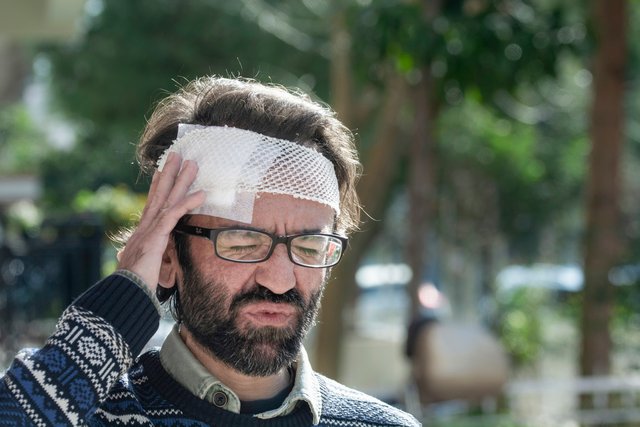
Regardless of which specialist may be needed later, the emergency department (ER) or casualty is always the first stop for a suspected head injury—especially if any warning signs are present.
Go to the Emergency Immediately If There Is:
→ Loss of consciousness, even for a few seconds
→ Repeated vomiting
→ Severe or worsening headache
→ Bleeding from the nose or ears
→ Seizures or fits
→ Confusion, drowsiness, or unusual behavior
→ Weakness or numbness in arms or legs
→ Slurred speech
→ Unequal pupil size
In these situations, do not wait or self-diagnose. Emergency doctors will stabilize the patient and decide whether a neurologist or neurosurgeon is required.
Both specialists deal with brain and nerve conditions, but their roles after a head injury are very different.
A neurologist is usually involved when the head injury is mild and non-surgical, and scans do not show bleeding or fractures.
→ The head injury is mild
→ CT scan or MRI shows no bleeding or skull fracture
→ Symptoms are related to brain function rather than structural damage
→ Concussion
→ Persistent headache after injury
→ Dizziness or vertigo
→ Memory or concentration problems
→ Post-concussion syndrome
→ Seizures without visible brain damage
Neurologists focus on medical management, recovery, and symptom control, not surgery.
A neurosurgeon is required when there is structural damage to the brain or skull or when the condition may need surgical intervention.
→ CT or MRI shows bleeding in the brain
→ A skull fracture is detected
→ There is brain swelling
→ Subdural or epidural hematoma is present
→ There is a penetrating head injury
→ Neurological condition is worsening
Neurosurgeons manage life-threatening and surgical brain conditions, including emergency brain surgeries.
A Simple Rule to Remember
Bleeding, fracture, or pressure on the brain → Neurosurgeon
Symptoms without structural damage → Neurologist
This simple distinction helps families understand why different specialists may be involved during treatment.
Practical Advice for Patients and Families
Head injuries can be frightening, especially when symptoms evolve over time. Keep these points in mind:
→ Do not rely on online searches to decide treatment
→ Always start at an Emergency or Trauma Centre
→ Get a CT scan if advised by the doctor
→ Follow specialist referrals carefully
→ Observe the patient closely for 24–48 hours after injury
Even mild injuries can sometimes worsen, so monitoring is essential.
Why Timely Action Matters
Delaying evaluation after a head injury can lead to:
→ Brain swelling
→ Permanent neurological damage
→ Seizures
→ Life-threatening complications
Early assessment ensures the right specialist is involved at the right time, improving outcomes significantly.
Final Takeaway
Not all head injuries need surgery, but all head injuries need proper assessment. The emergency department is always the first step. From there, doctors will decide whether care should continue with a neurologist or a neurosurgeon.
When it comes to brain health, it’s always better to be cautious than late.
Service Road, Ghodbunder Rd, next to AP Shah Institute of Technology, Kasarvadavali, Thane West, Maharashtra 400615
Pioneering Excellence in Neurology and Neurosurgery with Cutting-Edge Technology and Compassionate Care. Solaris Hospital is your one-stop destination for comprehensive with wide range of multi-specialty services.
Service Road, Ghodbunder Rd,
next to AP Shah Institute of
Technology, Kasarvadavali,
Thane (West),
Maharashtra. 400615
Phone:+91 22 4004 4001 / 4004 4003 / 8655696500
E-mail:contact@solarishospitals.com