
Kidney Stone Reasons: What Causes Kidney Stones to Form?
If you have ever felt a sudden, sharp pain in your back or side that comes in waves, you already know how frightening kidney stones can be. Many patients walk into a clinic asking the same question: “Why did this happen to me?” It is a fair question, and the answer is rarely just one thing.
Kidney stones form when certain minerals and salts in urine crystallise and stick together. What causes this build-up, though, differs from person to person. This guide breaks down the real reasons behind kidney stone formation, so you understand not just the “what” but the “why.”
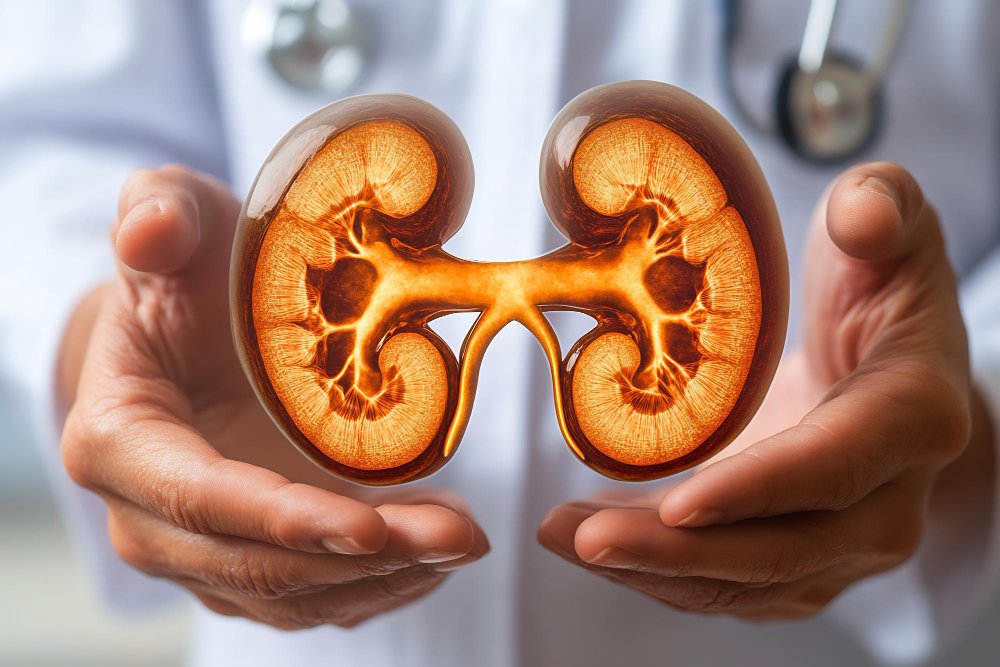
Why Kidney Stones Don't Happen the Same Way for Everyone
Kidney stones are not a single condition with a single cause. A person who drinks too little water may develop stones purely from concentrated urine, while another with a family history of stones might form them even with a reasonably healthy lifestyle. Age, climate, occupation, and even how much you sweat during the day can all play a role.
At Solaris Hospital, our approach as a leading kidney stone specialist in Thane focuses on identifying the exact cause behind each patient’s stones, rather than offering one generic explanation for everyone. Understanding the root cause is what makes prevention actually work.
The Main Causes of Kidney Stones, Explained
Not Drinking Enough Water
This is, by far, the most common and preventable cause. When you do not drink enough fluids, your urine becomes concentrated, and minerals like calcium, oxalate, and uric acid have less liquid to dissolve in. Over time, these minerals bind together and crystallise into stones. People living in hot climates, or those who sweat heavily through physical work or exercise, are especially at risk if fluid intake does not keep up.
A Diet High in Sodium and Processed Foods
Excess salt in your diet does not just raise blood pressure, it also increases the amount of calcium your kidneys need to filter out through urine. This extra calcium can combine with other compounds to form stones. Packaged snacks, pickles, and restaurant food are often loaded with hidden sodium, making this a surprisingly common contributor.
Foods Rich in Oxalates
Oxalate is a naturally occurring compound found in foods like spinach, beets, nuts, and chocolate. In most people, oxalate passes through the body harmlessly. However, in those prone to stones, it can bind with calcium in the kidneys and form calcium oxalate stones, the most frequent type seen in patients.
Family History and Genetics
If a parent or sibling has had kidney stones, your own risk is meaningfully higher. Genetic factors can influence how your kidneys handle calcium, oxalate, and uric acid, even if your diet and lifestyle look otherwise healthy.
Being Overweight or Obese
Excess body weight is linked to changes in urine composition, including higher acidity and altered calcium levels, both of which encourage stone formation. Obesity is also associated with insulin resistance, which independently raises stone risk.
Underlying Medical Conditions
Certain health conditions make kidney stones far more likely. These include gout, hyperparathyroidism, chronic urinary tract infections, and inflammatory bowel disease. If you have any of these conditions and keep developing stones, it is worth discussing targeted prevention with a urologist in Thane rather than treating each episode in isolation.
Too Much Animal Protein
Diets heavy in red meat, poultry, and seafood can raise uric acid levels while lowering citrate, a compound that normally helps prevent stones from forming. This combination makes uric acid stones more likely, particularly in patients who eat very little fruit or fibre alongside their protein.
Certain Medications and Supplements
Some diuretics, antacids containing calcium, and high-dose vitamin C or calcium supplements have been linked to increased stone risk when taken without medical guidance. This does not mean these medicines are harmful, but their use should be monitored if you already have a history of kidney stones.
Symptoms That Often Point to Kidney Stones
While causes vary, the warning signs tend to be fairly consistent. Watch for sharp pain in the back or side, pain that radiates toward the lower abdomen or groin, blood in urine, nausea, or a persistent urge to urinate. These symptoms are not something to wait out; early evaluation makes treatment far simpler.
Tips to Lower Your Risk
- Drink enough water through the day so your urine stays pale, not concentrated
- Reduce salty, processed, and packaged foods where possible
- Balance oxalate-rich foods with adequate calcium intake at meals
- Keep animal protein portions moderate and add more fruits and vegetables
- Get any underlying condition, like gout or UTIs, properly managed
- Avoid self-prescribing calcium or vitamin C supplements in high doses
Why Choose Solaris Hospital for Kidney Stone Care?
Solaris Hospital offers:
- Experienced urologists and kidney stone specialists in Thane with expertise across all stone types
- Advanced diagnostics, including imaging and urine analysis, to identify the exact cause
- Minimally invasive stone removal options for faster recovery
- Personalised prevention plans based on your specific risk factors
- Patient-focused care with clear guidance at every step
If you are dealing with recurring kidney stones or want to understand your personal risk factors, Solaris Hospital combines diagnostic precision with practical, sustainable prevention advice.
Conclusion
Kidney stones rarely form for just one reason. Diet, hydration, genetics, and underlying health conditions usually work together to create the right environment for stones to develop. Understanding your specific triggers, rather than following generic advice, is the real key to preventing them from coming back.
Are you looking for expert guidance to prevent kidney stones from recurring? Book your appointment today for personalised evaluation and treatment.
Frequently Asked Questions
Not drinking enough water is the single most common and preventable cause, since it leads to concentrated urine where minerals crystallise more easily.
Yes, having a family history of kidney stones significantly raises your own risk, even with a healthy diet.
Diet is a major factor, but it usually combines with hydration levels, genetics, or underlying health conditions to cause stones.
Yes, heat and sweating increase the risk of dehydration, which concentrates urine and raises stone risk if fluid intake is not adjusted.
Solaris Hospital offers expert diagnosis and treatment for kidney stones, with specialists available to identify your individual risk factors.
Solaris Hospital, Thane
📍 Address: Service Road, Ghodbunder Rd, next to AP Shah Institute of Technology, Kasarvadavali, Thane West, Maharashtra 400615
📞 Phone: 086556 96500
🌐 Website: https://solarishospitals.com/
Contact Us Today
Solaris Hospitals
Service Road, Ghodbunder Rd, next to AP Shah Institute of Technology, Kasarvadavali, Thane West, Maharashtra 400615
022-4004 4001
022-4004 4003
+91 86556 96500
contact@solarishospitals.com
About Us
Pioneering Excellence in Neurology and Neurosurgery with Cutting-Edge Technology and Compassionate Care. Solaris Hospital is your one-stop destination for comprehensive with wide range of multi-specialty services.
Services
Quick Links
Contact
Service Road, Ghodbunder Rd,
next to AP Shah Institute of
Technology, Kasarvadavali,
Thane (West),
Maharashtra. 400615
Phone:+91 22 4004 4001 / 4004 4003 / 8655696500
E-mail:contact@solarishospitals.com