
Ovarian cysts are a common gynecological condition affecting women of all ages, especially during the reproductive years. In most cases, these cysts are harmless and resolve on their own without treatment. However, certain ovarian cysts can cause symptoms, complications, or signal a more serious underlying condition.
Understanding ovarian cysts and when to worry is essential for early diagnosis, timely treatment, and long-term reproductive health. This in-depth guide explains what ovarian cysts are, their types, symptoms, risk factors, diagnosis, and when medical attention becomes crucial.
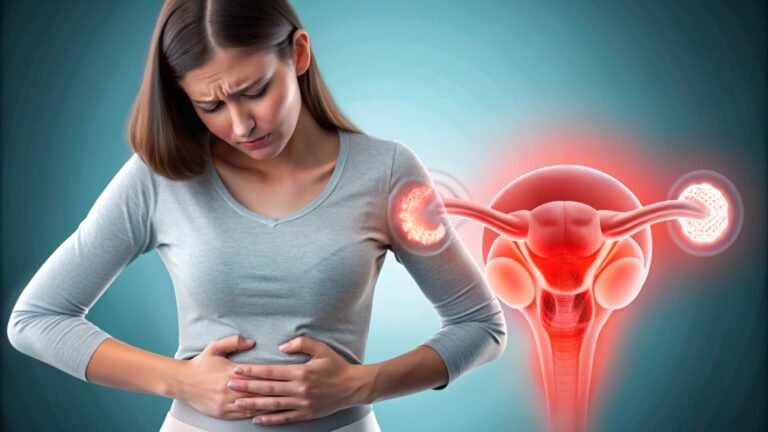
Ovarian cysts are fluid-filled or solid sacs that develop on or inside one or both ovaries. Ovaries are part of the female reproductive system and play a vital role in ovulation and hormone production.
Most ovarian cysts are:
→ Benign (non-cancerous)
→ Asymptomatic
→ Detected incidentally during routine scans
However, not all cysts are harmless, and some require close monitoring or treatment.
Understanding the type of cyst helps determine whether there is a reason to worry.
These are the most common and form during the menstrual cycle.
Occurs when a follicle fails to release an egg.
Forms after ovulation if the follicle reseals and fills with fluid.
Usually harmless and resolve within a few menstrual cycles.
→ Contain tissue like hair, skin, or fat
→ Can grow large
→ Risk of ovarian torsion
These cysts often require surgical removal.
→ Caused by endometriosis
→ Known as “chocolate cysts”
→ Can affect fertility and cause chronic pelvic pain
→ Develop from ovarian tissue
→ Can grow very large
→ May cause abdominal discomfort
Associated with Polycystic Ovary Syndrome (PCOS), where multiple small cysts form due to hormonal imbalance.
Many ovarian cysts cause no symptoms and go unnoticed. However, some may present with noticeable signs.
→ Pelvic pain or discomfort
→ Bloating or abdominal fullness
→ Irregular menstrual cycles
→ Pain during intercourse
→ Lower back pain
Certain symptoms should never be ignored, as they may indicate complications.
Warning Signs That Need Medical Attention
→ Sudden, severe pelvic or abdominal pain
→ Persistent or worsening pain
→ Pain with fever or vomiting
→ Rapid abdominal swelling
→ Dizziness or fainting
→ Difficulty passing urine or stools
Early assessment ensures the right specialist is involved at the right time, improving outcomes significantly.
These symptoms may indicate:
→ Ovarian torsion
→ Cyst rupture
→ Internal bleeding
→ Infection
While many cysts are harmless, complications can occur.
A large cyst can cause the ovary to twist, cutting off blood supply. This is a surgical emergency.
Can cause sudden pain and internal bleeding.
Certain cysts, especially endometriomas or PCOS-related cysts, may affect ovulation and fertility.
Although rare, especially in younger women, some ovarian cysts may be cancerous, particularly after menopause.
You should be more cautious if:
→ The cyst is larger than 5–7 cm
→ Symptoms persist for several months
→ The cyst grows rapidly
→ You are post-menopausal
→ There is a family history of ovarian or breast cancer
→ Blood tests show abnormal tumour markers
Ovarian cysts after menopause require careful evaluation because the ovaries are no longer hormonally active
Red flags include:
→ New-onset pelvic pain
→ Solid or complex cysts on imaging
→ Elevated tumour markers
→ Unexplained weight loss
Even asymptomatic cysts in post-menopausal women often need closer monitoring or surgical assessment.
The primary diagnostic tool to assess:
Red flags include:
→ Size
→ Type (simple or complex)
→ Location
Tumour markers like CA-125 may be used in selected cases.
Used for complex or suspicious cysts.
Helps identify tenderness or masses.
Treatment depends on age, symptoms, cyst type, and size.
→ For small, simple cysts
→ Regular follow-up ultrasounds
→ Pain relievers for symptoms
→ Hormonal therapy may prevent new cyst formation (not always effective for existing cysts)
Recommended if:
→ Cyst is large or persistent
→ Severe symptoms are present
→ Suspicion of cancer
→ Complications like torsion or rupture occur
Surgery may involve cyst removal or, in some cases, ovary removal.
Most ovarian cysts do not affect fertility. However:
→ Endometriomas
→ PCOS
→ Large or recurrent cysts
may interfere with ovulation or egg quality. Early gynecological evaluation is key for women planning pregnancy.
Not all ovarian cysts can be prevented, but regular check-ups help detect them early.
Preventive measures include:
→ Routine gynecological exams
→ Managing hormonal imbalances
→ Early treatment of pelvic infections
→ Monitoring known cysts
Seek urgent medical care if you experience:
→ Sudden severe pelvic pain
→ Signs of internal bleeding
→ Fever with pelvic pain
→ Rapid abdominal swelling
Prompt evaluation can prevent serious complications and preserve reproductive health.
Ovarian cysts are common and often harmless, but knowing when to worry about ovarian cysts makes all the difference. Listening to your body, recognising warning signs, and seeking timely medical care ensures early diagnosis and effective treatment.
Regular gynecological check-ups and awareness are the best tools for maintaining long-term ovarian and reproductive health.
Service Road, Ghodbunder Rd, next to AP Shah Institute of Technology, Kasarvadavali, Thane West, Maharashtra 400615
Pioneering Excellence in Neurology and Neurosurgery with Cutting-Edge Technology and Compassionate Care. Solaris Hospital is your one-stop destination for comprehensive with wide range of multi-specialty services.
Service Road, Ghodbunder Rd,
next to AP Shah Institute of
Technology, Kasarvadavali,
Thane (West),
Maharashtra. 400615
Phone:+91 22 4004 4001 / 4004 4003 / 8655696500
E-mail:contact@solarishospitals.com