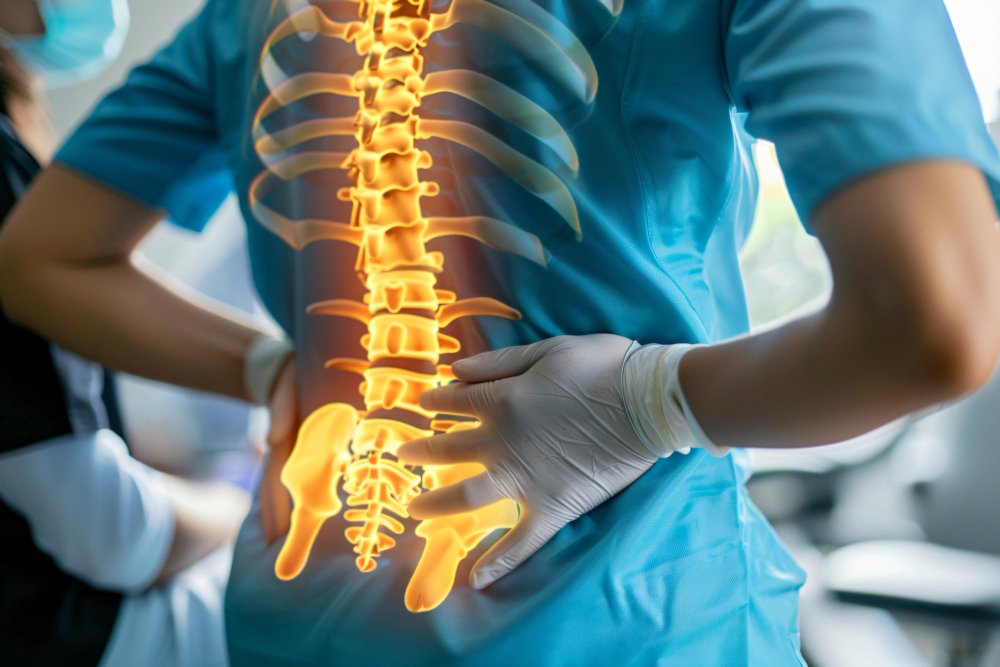
If your doctor has recommended spine surgery, one of the first questions on your mind is probably simple: how long until I feel normal again? It is a fair question. Spine surgery can feel intimidating, and not knowing what recovery looks like often adds to the worry more than the procedure itself.
The truth is, recovery time is rarely the same for everyone. It depends on the type of surgery, your overall health, and how closely you follow postoperative care. This guide breaks down what recovery actually looks like after spine surgery, so you know what to expect at every stage.
Spine surgery covers a wide range of procedures, from minimally invasive disc repairs to more complex fusion surgeries. A patient undergoing a small microdiscectomy will typically be back on their feet far sooner than someone recovering from multilevel spinal fusion. Age, fitness level, the presence of conditions like diabetes, and how well you follow your rehabilitation plan all play a role as well.
At Solaris Hospitals, our approach to spine surgery in Thane focuses on minimally invasive techniques wherever possible, precisely because they tend to shorten recovery time and reduce post-surgical discomfort.
Immediately after surgery, you will be monitored closely in the hospital. Most patients undergoing minimally invasive spine surgery are encouraged to sit up and take a few assisted steps within a day, since gentle movement helps prevent stiffness and supports circulation. Pain is managed with medication, and the surgical team keeps a close watch for any early complications.
This is typically the most tender phase. Swelling and discomfort at the incision site are common, and fatigue is normal as your body directs energy toward healing. Most patients are advised to avoid bending, twisting, or lifting anything heavier than a few kilograms during this period. Short, frequent walks are usually encouraged, while sitting for long stretches is generally discouraged.
By this stage, many patients notice a real improvement in pain levels and mobility. Depending on the type of surgery, light daily activities and short desk-based work may be possible, though this should always be guided by your surgeon’s advice. Physiotherapy often begins around this point, focusing on gentle strengthening and flexibility exercises for the back and core.
This is usually when patients start to feel closer to their pre surgery selves. Physiotherapy becomes more structured, aiming to rebuild strength, improve posture, and support the spine’s long term stability. Many people are able to resume driving, light exercise, and most day to day responsibilities within this window, again depending on the specific procedure performed.
Full recovery, especially after spinal fusion, can take anywhere from three months to a year. Bone fusion itself is a gradual biological process, and pushing too hard too soon can affect the final outcome. Your surgeon will typically use follow up imaging to confirm that healing is progressing as expected before clearing you for higher impact activities or sports.
Several things influence how quickly you bounce back after spine surgery:
Age and overall physical fitness before surgery Whether the procedure was minimally invasive or open surgery How closely post operative instructions and physiotherapy schedules are followed Presence of other health conditions such as diabetes or obesity Smoking, which is known to slow bone healing significantly Emotional wellbeing and support at home during recovery
Patients who stay consistent with physiotherapy and avoid rushing back to strenuous activity tend to see smoother, more predictable recoveries.
Follow your surgeon’s activity restrictions exactly, even on days you feel fine Attend every physiotherapy session, since consistency matters more than intensity Maintain good posture while sitting, standing, and sleeping Eat a protein rich, nutrient dense diet to support tissue healing Avoid smoking and limit alcohol, both of which slow recovery Keep follow up appointments so your surgeon can track healing through imaging
Most recovery journeys are steady, but certain symptoms need prompt medical attention. Contact your surgical team if you notice fever, unusual swelling or redness at the incision site, worsening pain instead of gradual improvement, numbness or weakness in the legs, or difficulty controlling bladder or bowel function. These symptoms are not common, but catching them early makes a real difference
Choosing the right hospital is an important part of your spine surgery journey. Solaris Hospitals offers:
If you’re exploring spine surgery in Thane, Solaris Hospitals combines surgical expertise with structured rehabilitation to guide you through every stage from diagnosis to full recovery.
Recovery after spine surgery is a gradual process, not an overnight change, but most patients see steady, meaningful progress when they follow their care plan closely. Knowing what to expect at each stage can make the journey feel far less overwhelming
Most patients take a few assisted steps within 24 to 48 hours of surgery, with independent walking improving steadily over the following two weeks.
This depends on the type of surgery and your job. Desk based work is often possible within three to six weeks, while physically demanding jobs may require a longer recovery period.
Yes. Spinal fusion involves bone healing, which is a slower biological process, so full recovery can take several months to a year compared to shorter recovery times for minimally invasive procedures.
Yes. Structured physiotherapy helps rebuild strength, improve flexibility, and protect the spine from future strain, and is considered an essential part of recovery rather than optional.
Solaris Hospitals offers advanced spine surgery in Thane, combining experienced surgeons, minimally invasive techniques, and a dedicated rehabilitation team to support patients through every stage of recovery.
Solaris Hospital, Thane
📍 Address: Service Road, Ghodbunder Rd, next to AP Shah Institute of Technology, Kasarvadavali, Thane West, Maharashtra 400615
📞 Phone: 086556 96500
🌐 Website: https://solarishospitals.com/
Service Road, Ghodbunder Rd, next to AP Shah Institute of Technology, Kasarvadavali, Thane West, Maharashtra 400615
Pioneering Excellence in Neurology and Neurosurgery with Cutting-Edge Technology and Compassionate Care. Solaris Hospital is your one-stop destination for comprehensive with wide range of multi-specialty services.
Service Road, Ghodbunder Rd,
next to AP Shah Institute of
Technology, Kasarvadavali,
Thane (West),
Maharashtra. 400615
Phone:+91 22 4004 4001 / 4004 4003 / 8655696500
E-mail:contact@solarishospitals.com